

Forensic medical expertise for sensitive, complex or disputed cases
Alpine Forensic Consulting provides forensic medical expertise for legal professionals, private clients, insurers, institutions, as well as public and private organizations.

An independent and multilingual approach
The office intervenes when medical questions influence the assessment of facts, when causality, injury patterns or clinical plausibility must be evaluated, or when a medical file, expert opinion or report requires critical analysis by a professional.
Independent
A scientific, objective and rigorous assessment.
Precise
A clear assessment of complex medical issues.
Discreet & useful
Transparent conclusions that can be directly applied.
Multilingual
Services available in German, French and English.
When forensic medical support becomes decisive
The intervention of Alpine Forensic Consulting is particularly valuable when proceedings, negotiations or strategic decisions require a clear and immediately usable assessment.
Relevant situations
- Medical issues influencing the assessment of facts.
- Evaluation of causality and clinical plausibility.
- Critical analysis of medical reports and expert opinions.
- Strategic support before proceedings or negotiations.
Purpose
An independent, structured and decision-oriented perspective, with responsiveness adapted to practical needs.
Office profile
Each mandate is personally handled by Dr. Bettina Schrag, FMH specialist in forensic medicine.
Working principles
Method
Structured analysis tailored to relevant questions.
Proportionality
Intervention adapted to the actual needs of the case.
Responsibility
Attention to the human and legal implications involved.
Usefulness
Clear conclusions that can be directly applied.
Dr. Bettina Schrag
FMH Specialist in Forensic Medicine
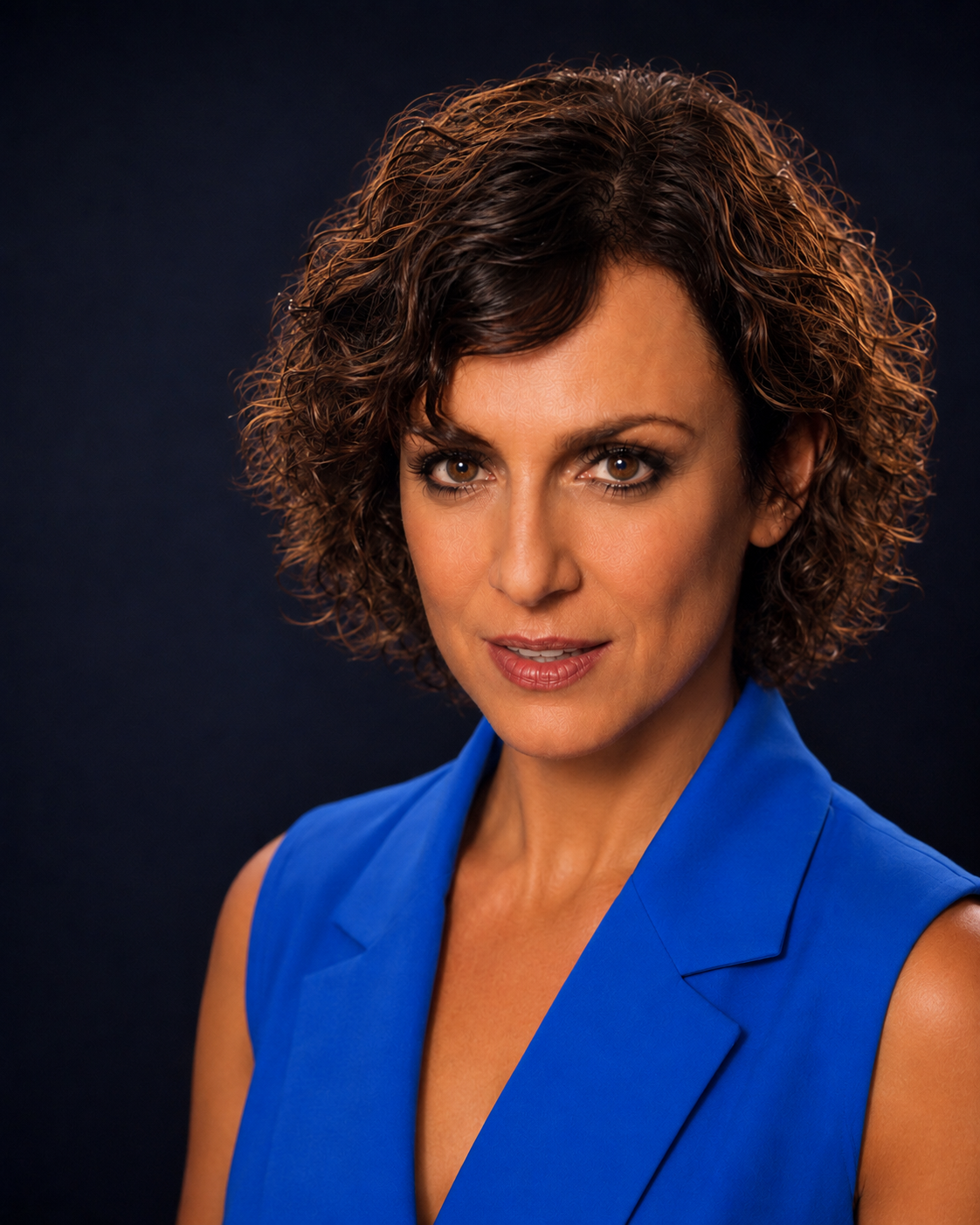
As an FMH specialist in forensic medicine, Dr. Bettina Schrag brings together more than twenty years of clinical, forensic, institutional and scientific experience. Her professional background has been shaped through sensitive cases, complex judicial proceedings, interactions between medicine and judicial or health authorities, and situations in which the quality of medical analysis can significantly influence the understanding of facts.
Founder and head for more than thirteen years of the Forensic Medicine Service of the Canton of Valais, she created, structured and managed a cantonal forensic medical entity recognized for its quality and rigor, ISO 9001 certified and fully integrated into the practical needs of justice, police authorities, public health and healthcare institutions. This professional path combines field experience, institutional leadership, scientific culture and responsibility.
Main career path
- 2003–2004 — Cantonal Hospital Basel-Landschaft: Initial clinical training in visceral surgery.
- 2004–2008 — CURML - CHUV: Forensic medicine training; participation in the implementation of violence medicine at CHUV; FMH title obtained in 2008.
- 2008–2012 — CURML - HUG: Senior physician: forensic medical cases, court expert assessments, supervision, university teaching and scientific contributions.
- 2012–2026 — Valais Hospital: Creation, structuring and management of the Forensic Medicine Service of the Canton of Valais; collaboration with justice, police, public health authorities and institutions.
- Other diplomas and functions: Degree and doctorate from the University of Basel; high-dose radiation protection diploma; DVI fedpol/Interpol; cantonal and national commissions and projects.
Scientific background and publications
The credibility of a forensic medical assessment relies not only on experience, but also on verifiable scientific expertise. Dr. Bettina Schrag’s work notably covers mechanisms of death, cardioinhibitory reflexes, positional asphyxia, dating of human remains, post-mortem biomarkers of sepsis, post-mortem imaging, hypothermia and post-mortem examination in medical practice.
Selected publications
- Death caused by cardioinhibitory reflex cardiac arrest - systematic review. Forensic Science International, 2011.
- Asphyxie positionnelle. Revue Médicale Suisse, 2011.
- Death caused by cardioinhibitory reflex: what experts believe. American Journal of Forensic Medicine and Pathology, 2012.
- Evaluation of CRP, procalcitonin, TNF-alpha, IL-6 and IL-8 in sepsis-related fatalities. International Journal of Legal Medicine, 2012.
- Procalcitonin and C-reactive protein in pericardial fluid for postmortem diagnosis of sepsis. International Journal of Legal Medicine, 2012.
- Dating human skeletal remains using 90Sr and 210Pb: case studies. Forensic Science International, 2014.
- A forensic case of hydranencephaly documented by postmortem imaging techniques. Forensic Sciences Research, 2023.
- Hypothermic cardiac arrest patients admitted to hospital who were not rewarmed with extracorporeal life support: A retrospective study. Resuscitation Plus, 2023.
- Memento mori! Constatation de la mort et examen du cadavre dans la pratique. Forum Médical Suisse, 2023.
- Use of the HOPE score to assess survival outcome of hypothermic cardiac arrest selected by ECLS rewarming. Scandinavian Journal of Trauma, Resuscitation and Emergency Medicine, 2025.
Confidential first contact
Every request is handled discreetly and in strict compliance with confidentiality.